

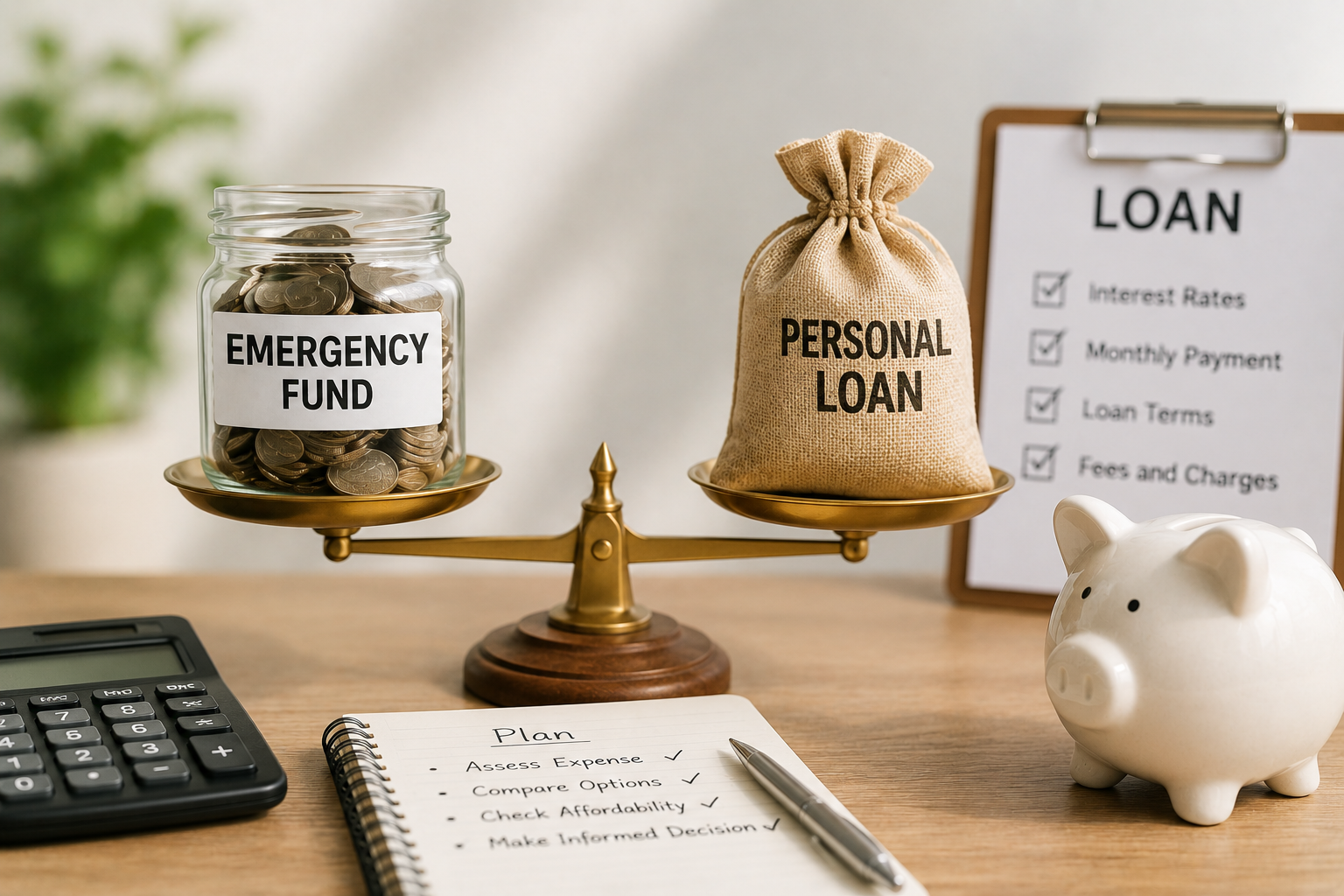
Unexpected car repairs, medical bills, or urgent home expenses can place pressure on a household budget. An emergency fund is usually the simplest first option because it uses money already saved and does not create a new monthly obligation. Before withdrawing funds, confirm that the expense is necessary, unplanned, and time-sensitive. It may also help to keep part of the savings untouched for rent, utilities, food, and other essential costs.
A personal loan may be considered when savings are not enough or using them would leave the household without a financial cushion. Personal installment loans are commonly repaid through fixed payments over an agreed period, but their total cost can include interest and additional fees. Borrowers should compare the annual percentage rate, monthly payment, repayment term, origination charges, late fees, and total amount repayable. A longer term may lower the monthly payment while increasing the overall borrowing cost.
The best choice depends on the size of the expense, available savings, income stability, and the affordability of repayment. Some households may use part of their emergency fund and borrow only the remaining amount. Before accepting any loan, review the disclosures carefully and compare offers from several lenders. After the expense is handled, rebuilding emergency savings through small automatic transfers can improve readiness for the next unexpected bill.
